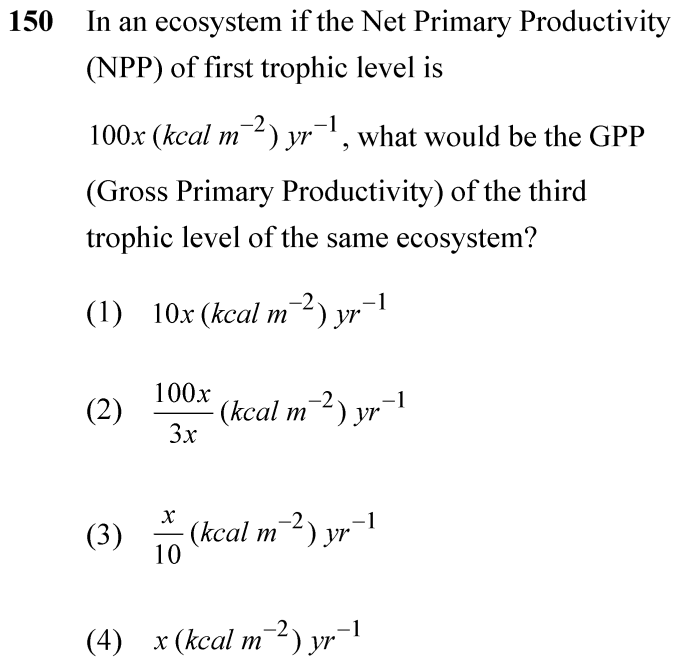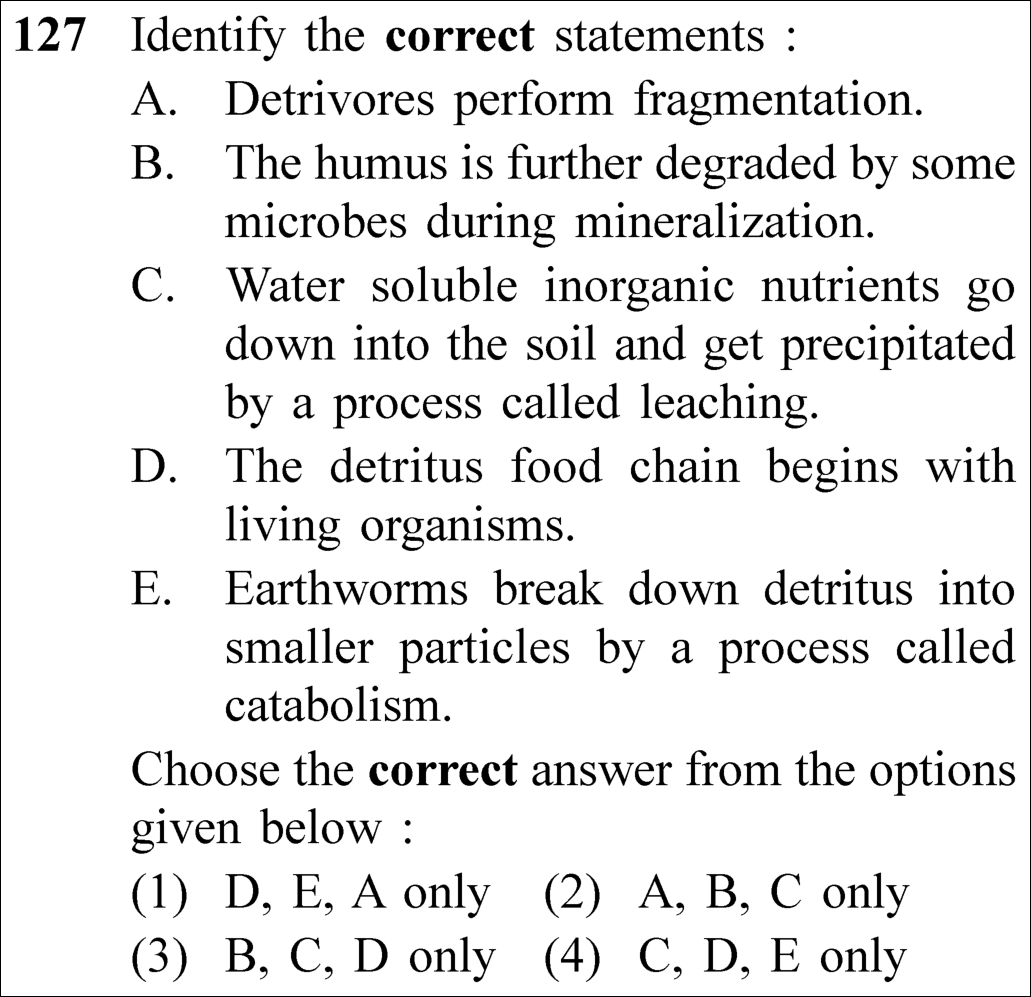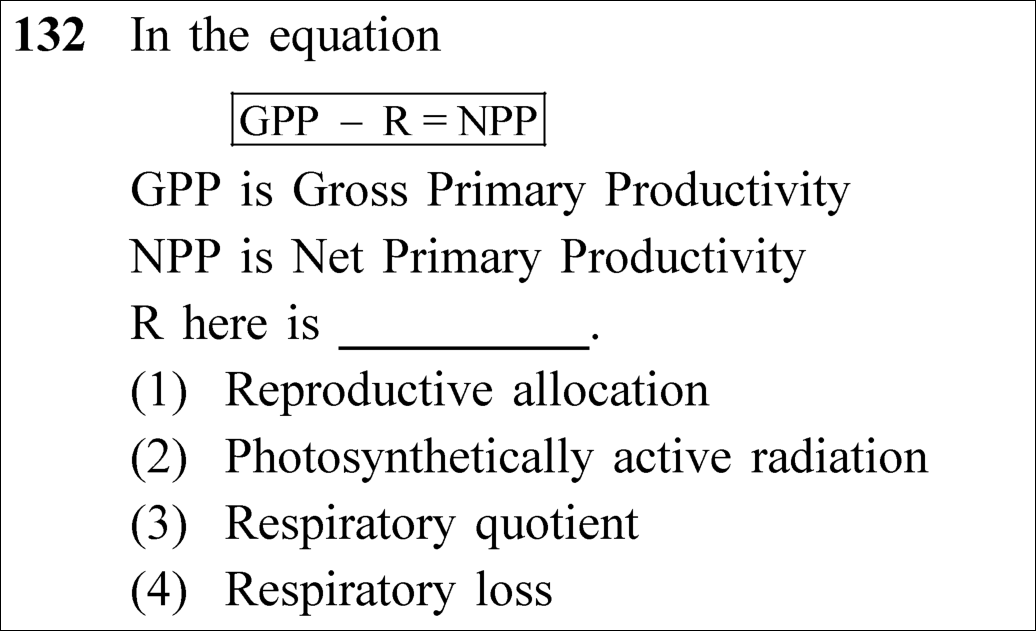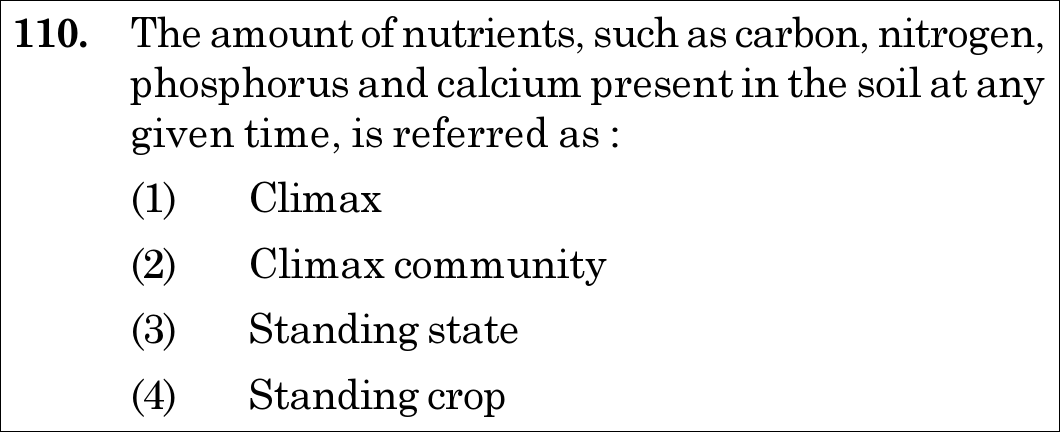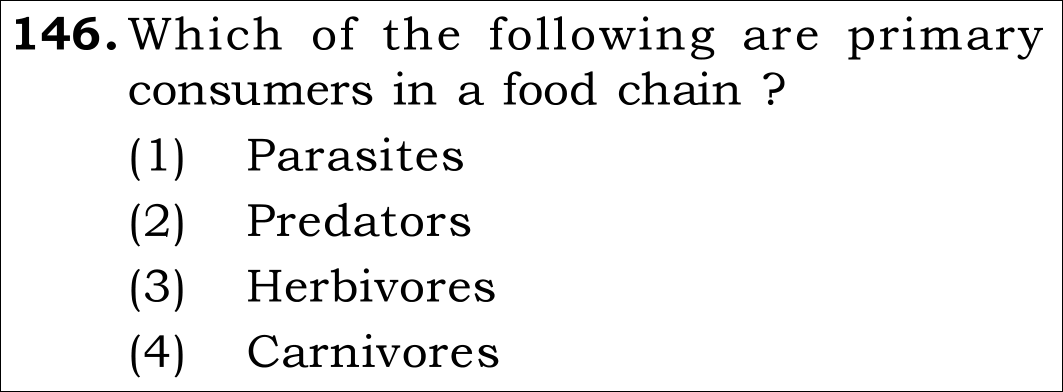
The 30-Second Exam Hall Shortcut: ⚡ Trophic Level Ladder Rule
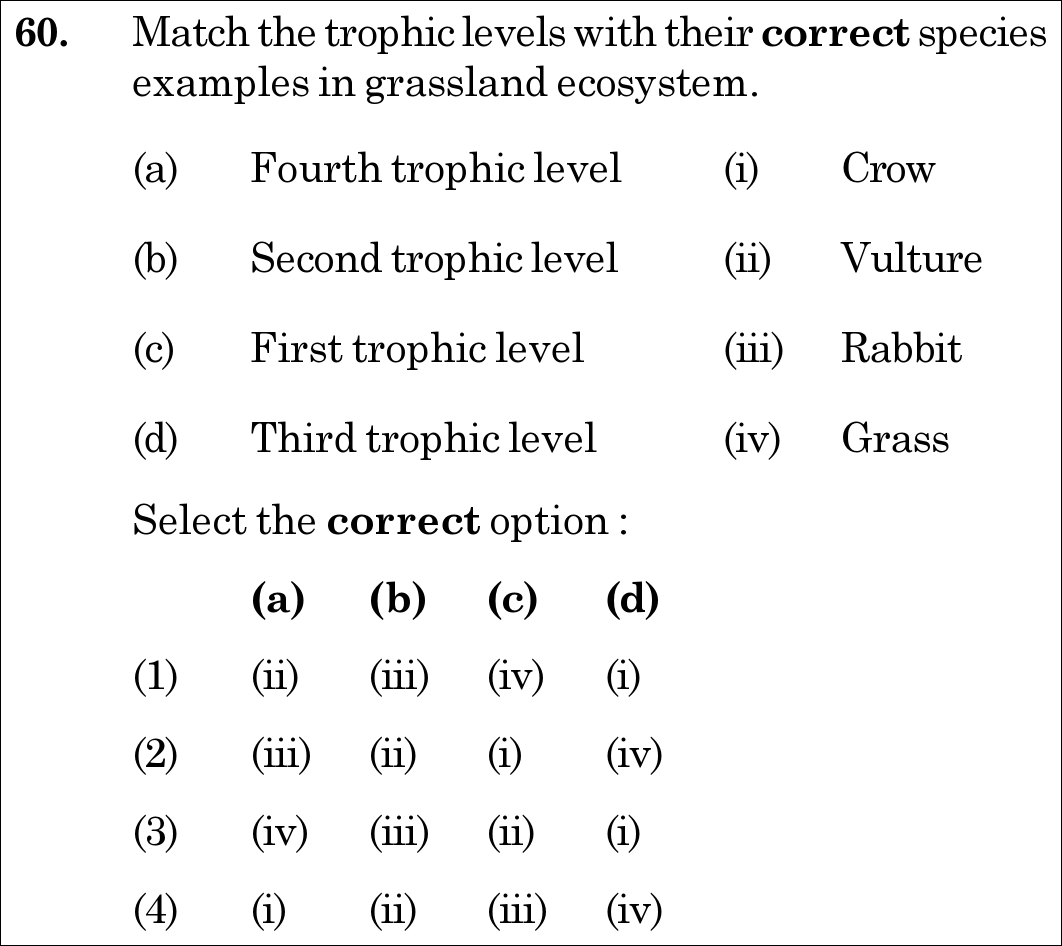
T1 = Producers (Plants); T2 = Primary Consumers (Herbivores); T3 = Secondary Consumers (Carnivores)!
Step-by-Step Rigorous Workflow & Mathematical Proof
Trophic Level Definitions in an Ecosystem
Organisms occupy a place in the natural surroundings or in a community according to their feeding relationship with other organisms. Based on the source of their nutrition or food, organisms occupy a specific place in the food chain known as their trophic level.
- • Herbivores convert plant biomass into animal biomass (key industry animals).
Eliminate Other Options
Parasites (Option 1) can feed on any trophic level (plants, herbivores, or carnivores). Predators (Option 2) are typically secondary or tertiary consumers. Carnivores (Option 4) are secondary or tertiary consumers that eat other animals. Only herbivores are primary consumers.
- • Option (3) is the solely accurate response.
Conclusion
Herbivores directly graze or feed on primary producers, defining them as primary consumers.
- • Matches official NTA final answer key Option C / (3).
360° Option Elimination Engine Key Feature
Diagnose every choice: Know exactly why the right option works and why distractors fail.
Incorrect. Parasites are specialized heterotrophs living on various host trophic levels, not defined as primary consumers.
Incorrect. Predators hunt and consume other living animals (carnivores), placing them at secondary consumer level or higher.
100% accurate. Herbivores are the canonical primary consumers feeding directly on primary producers.
Incorrect. Carnivores eat herbivores or other carnivores, making them secondary or tertiary consumers.
NTA Trap Alert: Equating "Consumer" with "Carnivore"
Beginners sometimes confuse "Primary Consumer" with "Primary Carnivore". A primary carnivore is a SECONDARY consumer because it eats the herbivore!
Core NEET Syllabus Standard
"Primary consumers in a grazing food chain are herbivores that feed directly on autotrophic primary producers."