The 30-Second Exam Hall Shortcut: ⚡ Anatomical Junction Anchor: Ileum to Caecum = Ileo-caecal Valve
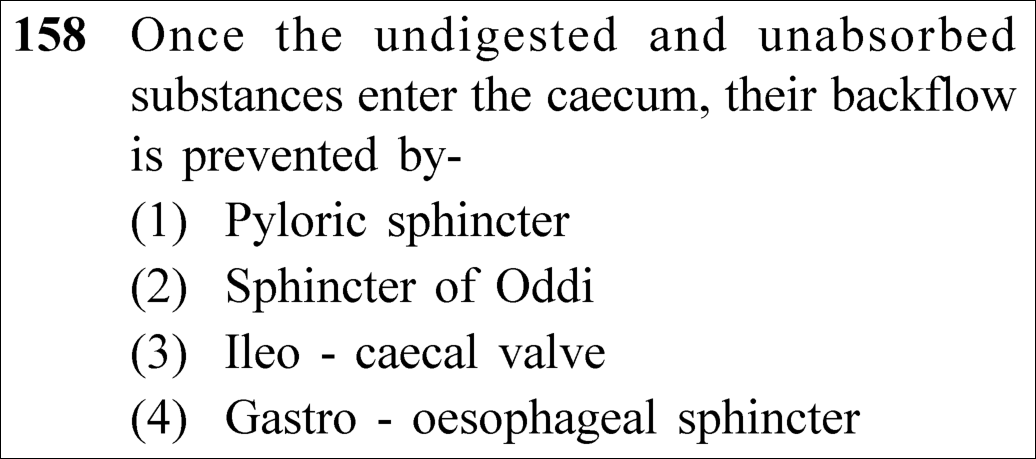
The junction between the terminal small intestine (ileum) and the initial large intestine (caecum) is guarded by the Ileo-caecal valve, which prevents the retrograde backflow of faecal matter!
Step-by-Step Rigorous Workflow & Mathematical Proof
Anatomy of the Ileo-Caecal Junction
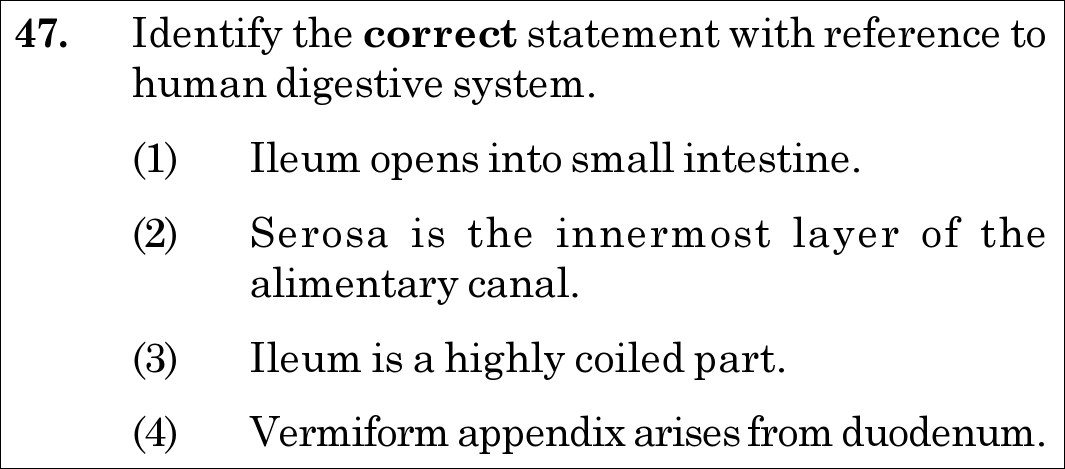
The small intestine terminates at the ileum, which opens into the blind pouch-like caecum of the large intestine:
Verbatim NCERT Reference
NCERT states verbatim: "The undigested, unabsorbed substances called faeces enters into the caecum of the large intestine through ileo-caecal valve, which prevents the back flow of the faecal matter."
Evaluation of Distractor Sphincters
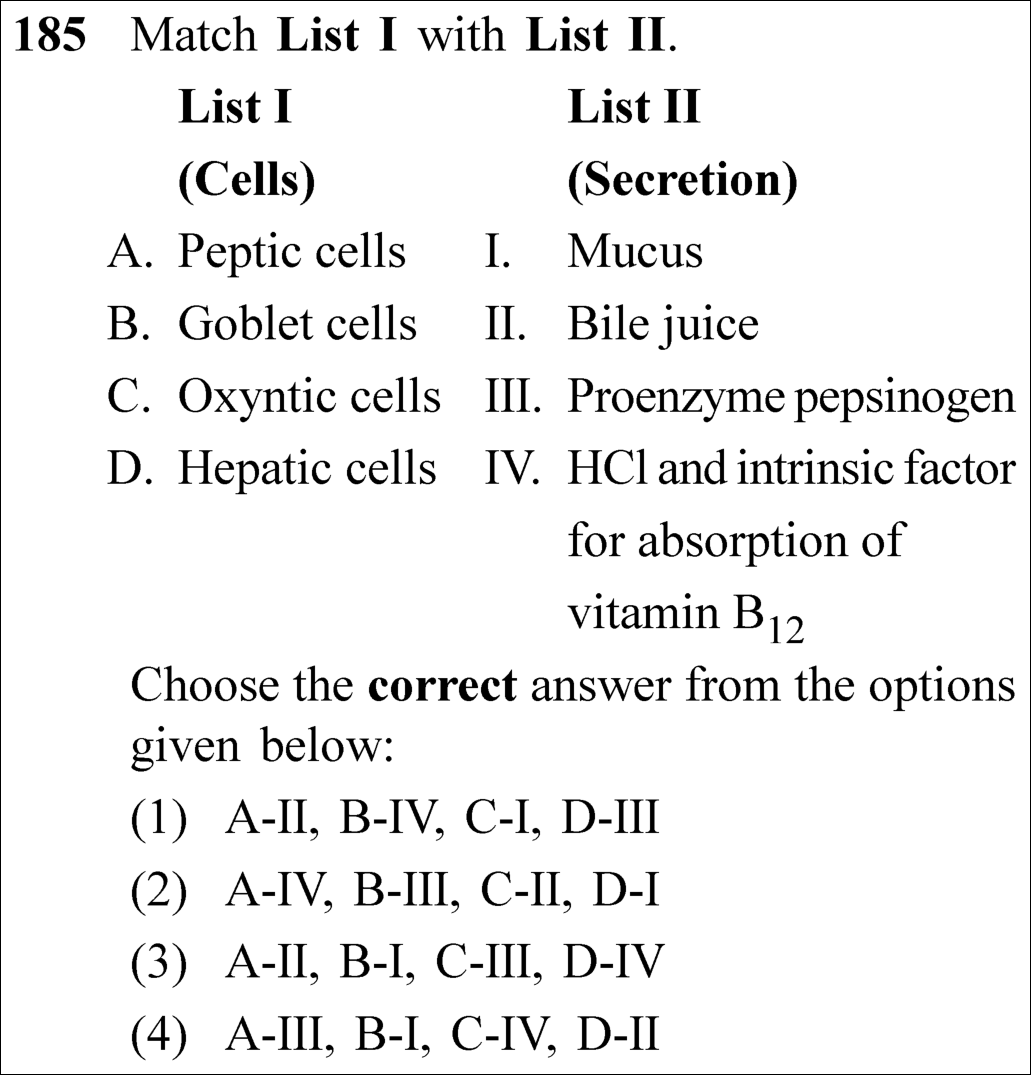
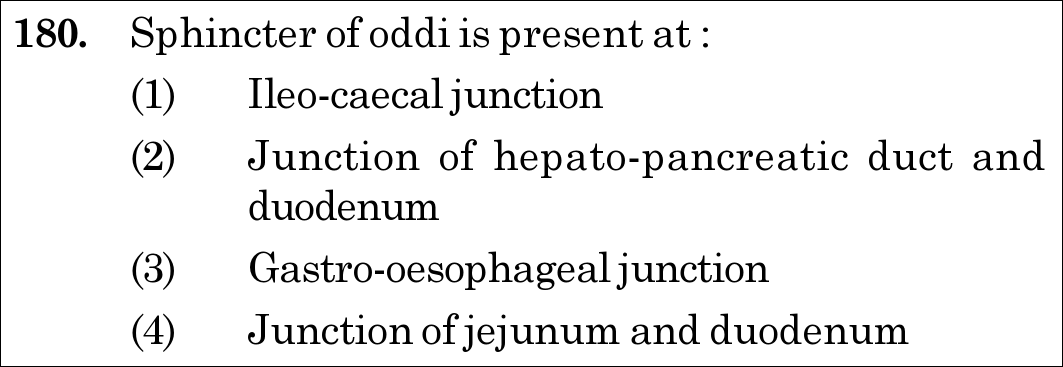
Gastro-oesophageal sphincter guards the cardiac stomach. Pyloric sphincter guards the gastroduodenal junction. Sphincter of Oddi guards the ampulla of Vater (hepato-pancreatic duct).
360° Option Elimination Engine Key Feature
Diagnose every choice: Know exactly why the right option works and why distractors fail.
Guards the opening between the pyloric stomach and duodenum.
Guards the hepato-pancreatic duct opening into the C-shaped duodenum.
Verbatim NCERT: the ileo-caecal valve prevents backflow of faecal matter from caecum into ileum.
Guards the cardiac opening between the oesophagus and stomach to prevent acid reflux.
NTA Trap Alert: Valve vs. Sphincter Functional Distinction
Students frequently confuse true muscular sphincters (like pyloric and gastro-oesophageal sphincters) with mucosal flap valves (the ileo-caecal valve).
Core NEET Syllabus Standard
"Undigested substances enter the caecum of the large intestine through the ileo-caecal valve, which prevents the back flow of the faecal matter."